 Reviews


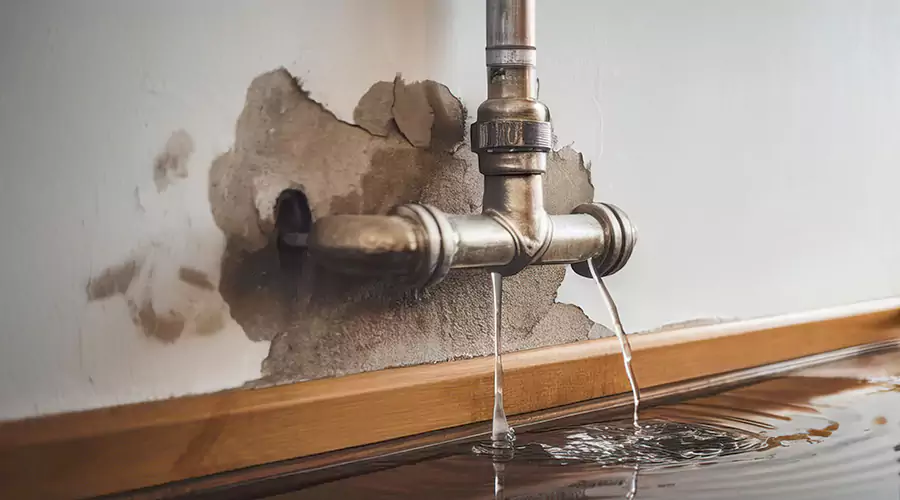
A pipe joint leak is never as small as it looks. What starts as a slow drip at a connection point works its way into the surrounding wood, drywall, and insulation before most homeowners even notice it. By the time the damage becomes visible, the repair bill is already much larger than it needed to be.
This guide explains every reason a pipe leaking at the joint happens, which fixes you can handle yourself, and exactly when calling a plumber is the smarter choice.
What Is a Pipe Joint and Why Do They Fail?
A pipe joint is any point where two pipes connect or where a pipe meets a fixture. Your entire plumbing system is held together by these connections, and they are the weakest points in any home's water supply or drain system.
Pipe joint types found in most American homes include threaded fittings, soldered copper connections, compression fittings, push-fit fittings, and glued PVC joints. Each one creates a seal in a different way, and each one can fail in a different way depending on age, water pressure, and how well it was installed in the first place.
Understanding which type of joint you are dealing with is the first step toward fixing a leaking pipe connection correctly.
Cause 1: Corrosion and Pipe Age
Pipe corrosion at joints is one of the most common causes of leaks in homes built more than 30 years ago. Copper and galvanized steel pipes corrode from both the inside and outside over time, and the corrosion always hits joints first because joints have more surface area and more contact between different materials.
Green staining around copper pipe joints is a clear visual sign that corrosion is actively eating through the connection. If you see that green discoloration, the joint is already compromised and will only get worse.
Galvanized steel pipe joint failure works differently. These pipes scale up internally with mineral deposits over the years, which restricts water flow and increases pressure at every joint in the line. Eventually that pressure finds a weak point and forces a leak.
If your home still has its original plumbing from before 1980, corroded pipe fittings are a real risk throughout the entire system, not just at one isolated spot.
Cause 2: Loose or Poorly Installed Fittings
A loose pipe fitting is one of the most straightforward causes of a joint leak, and it is also one of the most preventable. Threaded fittings that were not tightened enough during installation gradually loosen further under the constant pressure of flowing water.
The opposite problem also causes leaks. Overtightened pipe fittings can crack the fitting body or strip the threads completely. A cracked fitting cannot hold a seal no matter how much you tighten it.
Missing pipe thread sealant tape is one of the most common mistakes made during DIY plumbing repairs. PTFE tape wraps around the male threads and fills the microscopic gaps between the threads where water would otherwise find a path. Without it, even a well-tightened threaded joint will eventually weep water.
Push-fit fitting installation errors are another frequent cause. These fittings need to be pushed fully onto the pipe until they click into a locked position. A fitting that was not fully seated will leak from the start or within the first few weeks of use.
Compression fitting leaks often come down to a missing or deformed ferrule, which is the small metal ring inside the fitting that creates the seal when the nut is tightened. If that ferrule was not seated correctly or was reused from an old fitting, the joint will not hold.
Cause 3: Worn Gaskets and Rubber Seals
Most pipe joint gaskets and seals are made from rubber. Rubber is durable, but it does not last forever. Heat, water chemistry, and age cause rubber components to harden, crack, and shrink over time.
Hot water pipe joint leaks happen faster than cold water leaks for exactly this reason. The constant heat cycles accelerate the breakdown of every rubber washer and O-ring in a hot water line.
A leaking pipe under sink is one of the most common calls plumbers receive, and the cause is usually nothing more than a worn rubber slip joint washer. The part costs less than two dollars and the repair takes under ten minutes once the water is off.
Rubber O-ring pipe leak situations are equally simple to fix. The O-ring sits inside the fitting and creates a compression seal. When it wears out, water pushes past it at the joint. Replacing it requires no special tools and no plumbing experience.
Cause 4: High Water Pressure
High water pressure pipe damage is a problem that affects every joint and fitting in your home simultaneously, even though you may only notice one leaking joint at a time.
Normal home water pressure sits between 40 and 80 PSI. Anything above 80 PSI puts your plumbing under constant stress. Fittings vibrate slightly at high pressure, and that vibration gradually works threaded and compression joints loose over time.
If you are finding multiple leaking pipe joints in different locations around your home at the same time, high water pressure is very likely the common cause rather than just bad luck. Fixing individual joints without addressing the pressure problem means more joints will fail in the coming months.
A pressure reducing valve for pipes installed at the main water line brings pressure down to a safe level and protects every fitting in the house from further stress. A plumber can install one in a few hours and the cost is typically $200 to $350 including labor.
Cause 5: Pipe Movement and Water Hammer
Thermal expansion in pipes happens every time hot water flows through a line. Pipes expand slightly with heat and contract when they cool down. Over years of this constant movement, threaded joints and compression fittings gradually work themselves loose.
Water hammer pipe joint damage is a related problem. Water hammer is the loud banging noise you hear when a faucet or valve is closed quickly. That bang is a pressure shockwave traveling through the water in your pipes, and it hits every joint in the system with force each time it happens.
Foundation settling and pipe stress also put lateral pressure on buried or embedded pipes. As the ground moves slightly over decades, rigid pipe connections are pulled in directions they were not designed to handle, and the joints are always the first point to give way.
Pipe strap and support problems contribute to the same issue. Pipes that are not properly supported along their length flex and vibrate with water flow, which puts repetitive stress on every connection point.
How to Fix a Leaking Pipe Joint Yourself?
Many pipe joint repair DIY fixes are straightforward enough for any homeowner to handle. The key is knowing which type of joint you have before you start.
Turn Off the Water First
Shut off the water supply before touching the joint. Use the isolation valve directly below the affected pipe if one is accessible. If not, shut off the main water supply valve for the house. Open the nearest faucet to drain any remaining water from the line before working on the connection.
Fixing a Threaded Joint
Threaded pipe joint repair starts by unscrewing the fitting completely. Clean the threads on both the pipe and the fitting with a dry cloth. Wrap fresh PTFE thread seal tape clockwise around the male threads, overlapping each layer slightly. Reattach the fitting and tighten it firmly by hand first, then snug it with a wrench. Do not force it past the point of firm resistance.
Fixing a Compression Joint
Compression fitting repair involves removing the compression nut and sliding it back along the pipe. Inspect the ferrule underneath. If it is deformed, flattened, or scored, replace it with a new one of the same size. Slide the new ferrule into position, reattach the nut, and tighten until snug. Over-tightening a compression fitting is a very common mistake that crushes the ferrule and causes a new leak immediately.
Fixing a Slip Joint Under the Sink
Slip joint washer replacement is one of the easiest plumbing repairs in any home. Unscrew the large plastic slip nut by hand. Pull the nut back and remove the old rubber washer from inside the fitting. Push a new washer of the same size into position and hand-tighten the nut back onto the fitting. No tools are usually needed for this repair.
Fixing a Push-Fit Joint
Push-fit pipe fitting repair requires a small disconnect clip tool that comes with most push-fit fitting brands or can be purchased separately for a few dollars. Insert the clip around the pipe at the fitting to release the internal locking mechanism. Pull the pipe free, cut the pipe end cleanly and squarely with a pipe cutter, and push the fitting back onto the fresh pipe end until you feel it click into the locked position.
Temporary Fixes That Are Not Permanent
Pipe repair clamp for joint leak products and epoxy putty for pipe leak are sold at hardware stores as emergency solutions. They can slow or stop a drip temporarily while you arrange a proper repair. They are not permanent solutions and should not be treated as one.
Fixes That Need a Licensed Plumber
Some pipe joint repairs go beyond what DIY tools and basic skills can handle safely.
Soldered copper pipe joint repair requires a torch, flux, and solder wire. The pipe must be completely drained and dry before any heat is applied, and the torch needs to be used carefully to avoid scorching nearby materials. An improperly soldered joint will either leak immediately or fail within a few weeks. This repair is not recommended for beginners.
Leaking PVC glued joint repair cannot be done by simply re-gluing the existing connection. PVC pipe cement creates a chemical bond that is permanent. Once a glued joint leaks, the only fix is cutting out the affected section and replacing it with new pipe and new fittings. This requires knowing how to measure, cut, and cement PVC pipe correctly.
Pipe joint leak inside wall situations need a plumber regardless of the joint type. Accessing the leak means cutting into drywall, and fixing the joint in a confined space requires both experience and the right tools. A professional also knows how to identify whether the surrounding materials have been damaged and whether remediation is needed before closing the wall.
When a Joint Leak Becomes an Emergency?
Some situations cannot wait for a scheduled appointment.
If the joint is spraying water rather than dripping, shut off the main water supply immediately and call a plumber the same day. A joint under full pressure that has failed completely can release a significant volume of water very quickly.
A pipe joint leak near electrical wiring or near your breaker panel is a dual emergency. Shut off both the water and the electrical supply to the affected area and do not touch anything until a professional has assessed the situation.
Joint leak causing mold growth that is already visible means the leak has been present long enough for biological growth to establish itself inside the wall cavity. This requires not just a pipe repair but a mold assessment and remediation before the wall is closed back up.
If you close the isolation valve to stop the leak and it keeps dripping anyway, the valve itself has failed. A failed isolation valve needs emergency replacement because you have no way to isolate the pipe for repair until the valve is working again.
How Much Does Pipe Joint Repair Cost?
Pipe joint repair cost varies significantly depending on where the joint is located and what type of joint it is.
A simple DIY pipe joint fix using new washers, PTFE tape, or a replacement ferrule costs $5 to $25 in parts and nothing in labor.
A plumber repairing an accessible pipe joint in a kitchen or bathroom typically charges $100 to $250 including labor for a straightforward repair.
A pipe joint repair inside a wall that requires drywall removal and patching runs $300 to $800 depending on how much wall needs to come out and what condition the surrounding area is in.
Full pipe section replacement due to widespread corrosion or multiple failing joints costs $500 to $2,000 or more depending on the pipe material, accessibility, and how much of the line needs replacing.
Water damage repair from ignored pipe leak situations are where costs become serious. Mold remediation, subfloor replacement, and structural repairs from a joint that was left dripping for months can run $1,500 to well over $10,000 depending on how far the water traveled.
Summary
Pipe joints leak for five main reasons: corrosion from age, loose or improperly installed fittings, worn rubber gaskets and seals, excessive water pressure, and pipe movement over time. Most of these causes produce warning signs before the leak becomes serious, which is why checking your pipes regularly pays off.
Many pipe joint fixes are well within the reach of any homeowner with basic tools. Threaded joints, compression fittings, slip joints, and push-fit connections can all be repaired without professional help in most cases.
Soldered copper joints, glued PVC sections, and any joint located inside a wall or under a slab are a different matter. Those repairs need a licensed plumber with the right tools and experience.
The most expensive outcome is always the same: a small joint drip that gets ignored. Fix it early and the cost is almost nothing. Leave it long enough and the repair bill grows every week it sits.